Tuesday, 11 May 2010
Evaluation
Costing?
Bibliography
http://www.jimpattersonphotography.com/ - Jim Patterson- 10th may 2010
http://www.marcadamus.com/index.php -Marc Adamus 11th may 2010
http://www.stuckinphotos.com/ - Helga Kvam 10th may 2010
Photography skills and equipment research?
http://www.cambridgeincolour.com/tutorials/depth-of-field.htm -How to achieve depth of field?-9th May 2010
http://digital-photography-school.com/11-surefire-tips-for-improving-your-landscape-photography
-tips for landscape photography-10th may 2010
http://landscapephotographytoday.com/composition/ -How to compose a Landscape?-10th may 2010
http://www.locationworks.com/sunrise/instruct/index.html -Sunrise and set prediction research-11th may 2010http://www.luminous-landscape.com/tutorials/zone_system.shtml-zone system research-11th may 2010
http://www.talkphotography.co.uk/forums/showthread.php?t=141957-color cast research -7th may 2010
Images?
http://images.google.co.uk/imgres?imgurl=http://edfromct.files.wordpress.com/2009/04/vietnam-memorial.jpg&imgrefurl=http://edfromct.wordpress.com/2009/04/24/australias-day-of-remembrance-anzac-day-april-25th/&usg=__RvYA6ymdTurnYy-f4PJ5Rp994gM=&h=525&w=700&sz=74&hl=en&start=126&um=1&itbs=1&tbnid=RceHUwFE5ZYnRM:&tbnh=105&tbnw=140&prev=/images%3Fq%3Dwar%2Bremembrance%2Bwall%26start%3D105%26um%3D1%26hl%3Den%26sa%3DN%26ndsp%3D21%26tbs%3Disch:1
-Memorial wall image-18th march 2010
-Anorexia image-18th march 2010
-Shutter speed image-9th may 2010
Video's
-http://www.youtube.com/watch?v=DrtJ4d7rg3s –you tube-7th April 2010
Definitions?
http://en.wikipedia.org/wiki/Abstract_art -wikapedia -11th may
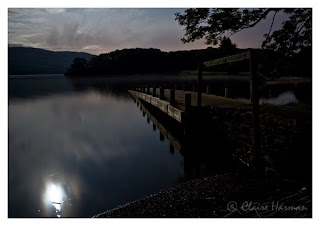
Windermere lake at midnight

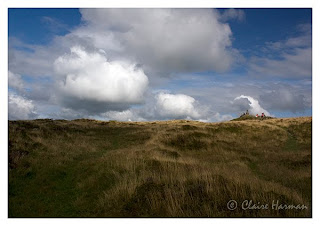
Windermere hill top.

sun set beside the sea

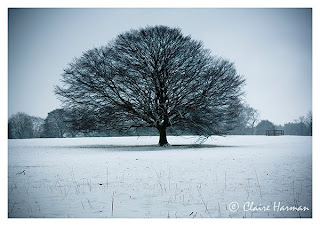
Snow covered tree.

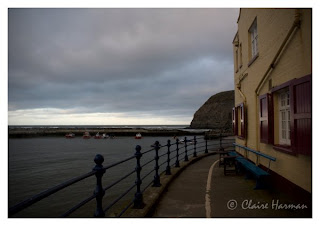
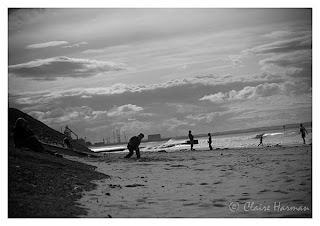
Saltburn Silhouette's

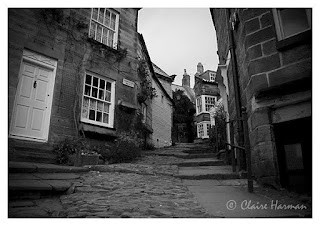
Robin hoods walk way

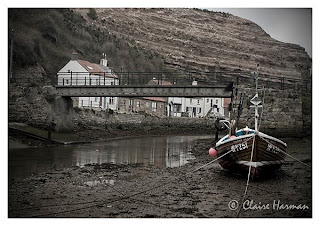
Fisherman's boat beside the river

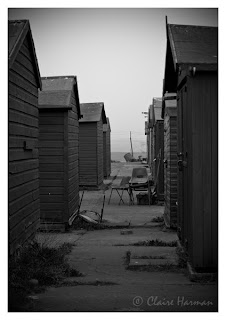
Desolate sheds

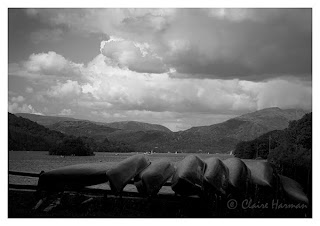
Canoes beside the lake

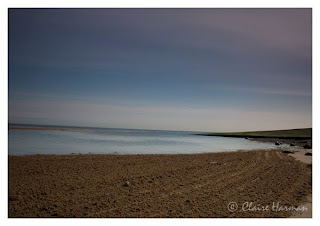
Abstract sea scape

Tutorial with Richard Whitehead.
I asked Richard if it was possible if i could enter images which i took a couple of month ago which fit into the brief(have been taken with the research i have practiced like filters shutter speeds,and depth of field). I didn't want to enter rubbish work when i had some brilliant landscapes at home not taken long ago. Richard said this as fine to enter the images i had taken a couple of moths ago providing I opened from fresh again and re-edited them from scratch which is what i did. In the next post i will post my final 10 images and explanations about my images and why i choose them.
Organised and visited day trips.
*Roseberry topping-got lots of photography of roseberry toping, surrounding landscape fields and surrounding
*North Yorkshire dales- drove through the country side looking for good imagery but didnt find any that day(the weather clouded over)
*Newbiggins-got lots of photography of rough sea against rocks and quirky little cottages.
*Robin hoods bay-Drove through robin hoods bay tried to get some imagery but wasn't much there although it was a gorgeous, got imagery of quirky cottages and walkways.
*Staiths-Got some great photography of landed boats, sun sets and the surroundings of staiths
*Whitby-got some imagery again of some rough sea.
*Runswick bay-again got some great imagery of rough seas and cottages.
I stupidly did not date when i went to these places so i couldn't really say when i went.So i know in future don't flap about all the work i have got and concentrate only on that but also date when i went out to get landscape photography and day trips.
Zone system research
| 1 | 2 | 3 | 4 | 5 | 6 | 7 | 8 | 9 |
| Low values Zone 0 | Complete lack of density in the negative image, other than film base density plus fog. Total black in the print. We will omit zone 0 from the remainder of this tutorial; zone 1 will be considered pure black. |
| Zone 1 | Effective threshold. First step above complete black in the print. Slight tonality, but no texture. |
| Zone 2 | First suggestion of texture. Deep tonalities, representing the darkest part of the image in which some detail is required. |
| Zone 3 | Average dark materials. Low values showing adequate texture. |
| Middle values Zone 4 | Average dark foliage. Dark stone. Landscape shadow. Recommended shadow value for portraits in sunlight. |
| Zone 5 | Clear north sky (panchromatic rendering). Dark skin. Gray stone. Average weathered wood. Middle gray (18% reflectance). |
| Zone 6 | Average Caucasian skin value. Light stone. Shadows in snow in sunlit snowscapes. |
| High values Zone 7 | Very light skin. Light gray objects. Average snow with acute side lighting. |
| Zone 8 | Whites with textures and delicate values (not blank whites). Snow in full shade. Highlights on Caucasian skin. |
| Zone 9 | Glaring white surfaces. Snow in flat sunlight. White without texture. (The only subjects higher than Zone 9 would be light sources; they would be rendered as the maximum white value of the paper surface. |
zone system research taken from: http://www.luminous-landscape.com/tutorials/zone_system.shtml
Definition of Abstract
Abstract art uses a visual language of form, color and line to create a composition which may exist with a degree of independence from visual references in the world.[1] Western art had been, from the Renaissance up to the middle of the 19th century, underpinned by the logic of perspective and an attempt to reproduce an illusion of visible reality. The arts of cultures other than the European had become accessible and showed alternative ways of describing visual experience to the artist. By the end of the 19th century many artists felt a need to create a new kind of art which would encompass the fundamental changes taking place in technology, science and philosophy. The sources from which individual artists drew their theoretical arguments were diverse, and reflected the social and intellectual preoccupations in all areas of Western culture at that time.[2]
Abstract art, nonfigurative art, nonobjective art, and nonrepresentational art are loosely related terms. They are similar, although perhaps not of identical meaning.
Abstraction indicates a departure from reality in depiction of imagery in art. This departure from accurate representation can be only slight, or it can be partial, or it can be complete. Abstraction exists along a continuum. Even art that aims for verisimilitude of the highest degree can be said to be abstract, at least theoretically, since perfect representation is likely to be exceedingly elusive. Artwork which takes liberties, altering for instance color and form in ways that are conspicuous, can be said to be partially abstract. Total abstraction bears no trace of any reference to anything recognizable. In geometric abstraction, for instance, one is unlikely to find references to naturalistic entities. Figurative art and total abstraction are almost mutually exclusive. But figurative and representational (or realistic) art often contains partial abstraction.
Definiton taken from: http://en.wikipedia.org/wiki/Abstract_artMichael Kenna


Michael Kenna so what do i like about Micheal kenna's work? I think he has studied the zone system very well and practices it very well. It is very obvious from his works, his black are the blackest of blacks set against the snow whites.I love Dark images and i think thats what attracts me to his work, because his work is so emotional and moody. I also like some of his images because they seem very abstract, like the image above. I have never really been keen on abstract art before but i seem to favor it within photography. I think i would like to bring some abstract work within my final 10 Images.
Marc Adamus


This is my favorite selection of work by Marc Adamus. I love marc's work definition on love. His compositions are exquisite and his colors are so strong and "contrasty". His compositions are well thought out and hi use of shutter effects are brilliant mac's work will have a big influence on my work, because i believe that he is a brilliant landscape photographer.
Images taken from:http://www.marcadamus.com/index.php
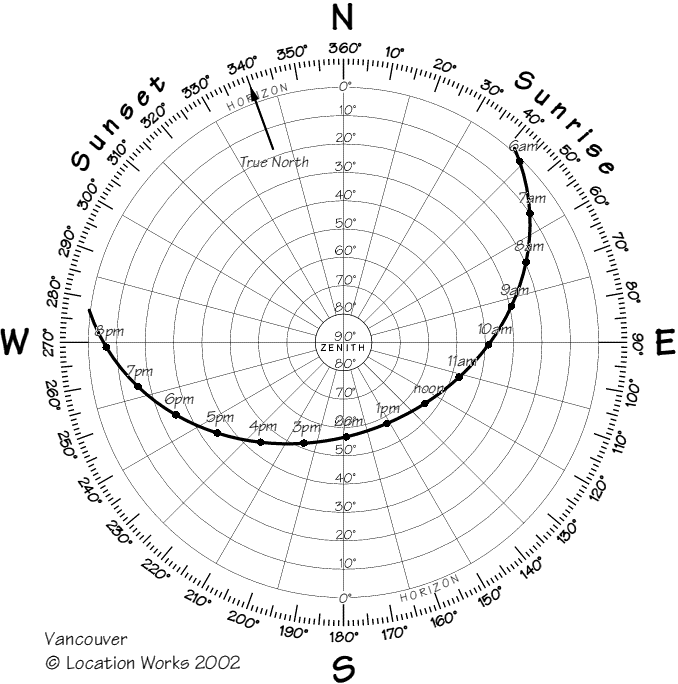
Sunrise and sun set predicition charts
Information taken from: http://www.locationworks.com/sunrise/instruct/index.html
Twilight is not measured in light intensity, it is determined by the sun's position relative to the horizon. There are three types of twilight (Civil, Nautical and Astronomical): the Twilight shown in the chart is Civil Twilight, which is defined as the time when the Sun is 6° below the horizon.
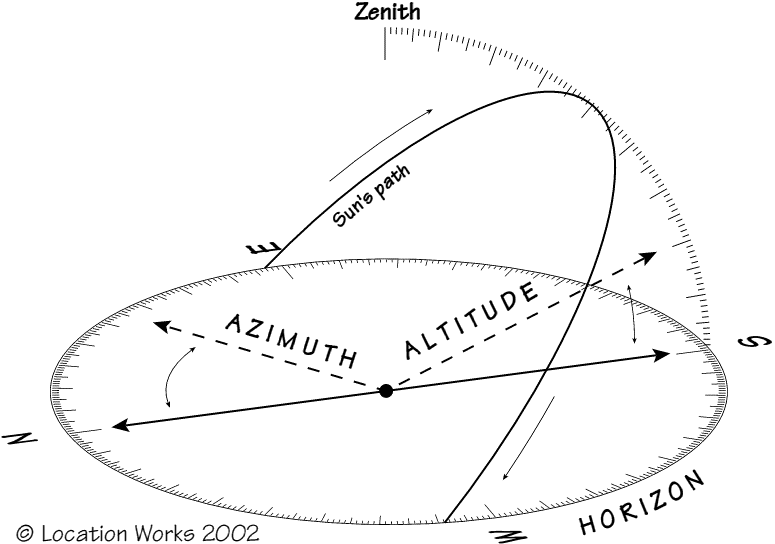
The Azimuth of sunrise/sunset is the compass bearing. North is 0°, East is 90°, etc. On the equinox (approx March 21st/September 21st), the sun rises due east and sets due west (all over the world). At other times, the sun rises north or south of due east.
The Altitude of the sun is measured from 0° on the horizon, to 90° at the zenith (the point of the sky directly above you). In the UK, in summer months, the sun will be seen to rise in the north-east, and as it travels clockwise it climbs higher in the sky until it reaches its highest point, at which point it is due south of the observer. From there it descends until it sets north-west.
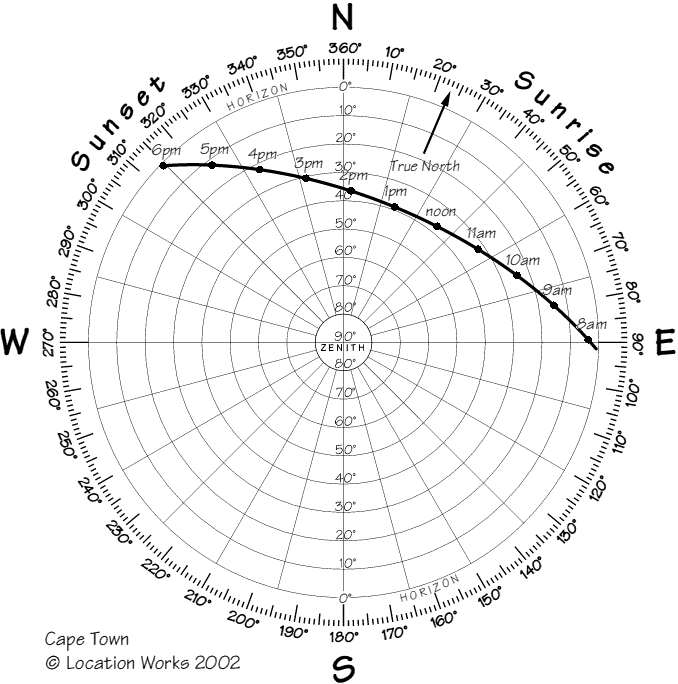
The Times and Azimuths shown assume a flat (nautical) horizon. The Solar Location Diagram can be used to determine the times/azimuths of sunrise & sunset in situations where the horizon is obscured. Determine the altitude of the obstruction, e.g. building or mountain, then use the solar location diagram to determine the time & azimuth of sunrise/sunset.
Example: let's say there is a mountain which has an altitude of 10° relative to the horizon. The concentric lines on the Solar Location Diagram represent 10° of altitude, with the outermost representing the horizon. In the example diagram shown left, the second concentric line - representing 10° - meets the sun's path when the sun is due East, at about 07:10.
Many countries use Daylight Saving Hours in summer, where the clock is moved forward/back one hour. If these hours apply, times will be shown on the chart followed by an asterisk.
Magnetic Declination is the term used to describe the difference between True North and Magnetic North. The Calculations shown in the Sunrise/Sunset Predictions have made an allowance for this difference, therefore the azimuths and altitudes shown are accurate to the readings shown on your magnetic compass. For an explanation, see: Geological Survey of Canada: Magnetic Declination and to find the declination for your area, see: GSC Canadian Geomagnetic Reference Field (you will need to know your latitude and longitude). If Magnetic Declination applies, this will result in an asymmetric path in the Solar Location Diagram: compare the diagrams below for the same day (August 1st) in Cape Town and Vancouver.